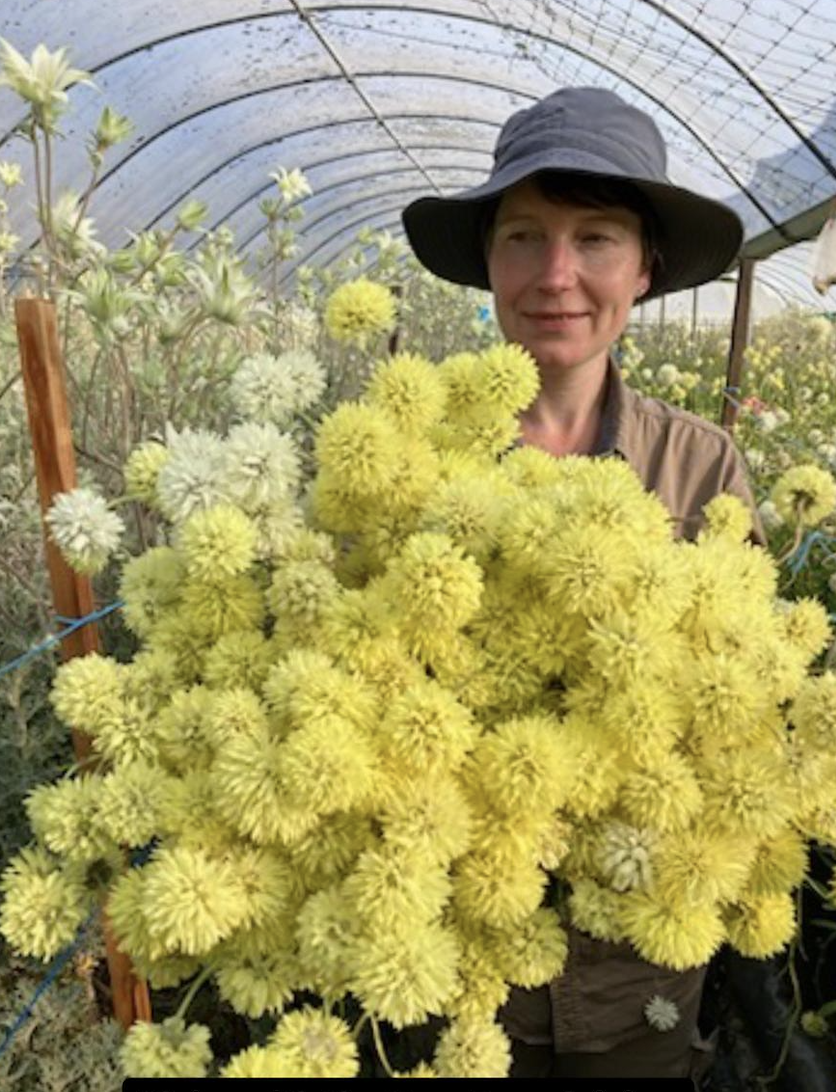
RMCG Webinar Series: Reducing plastics and chemicals in NSW’s cut flower industry
Across three weekly webinars, flower growers were informed about opportunities and innovations in key areas of on-farm plastic use, exploring opportunities for recycling and reuse with the aim of reducing the environmental impact of the cut flower industry.
WEBINAR 1
Firstly, speakers David Leitch (Agsafe) and Greg Carrick (Garden City Plastics) presented about current disposal and recycling programs run by Agsafe (ChemClear, drumMUSTER and bagMUSTER), and GCP’s pot recycling program.
Chemclear is a program designed to ensure safe collection and disposal of agricultural chemicals. Statewide collections are held every two years based on registrations. It was encouraging to hear that 98% of chemicals are repurposed as alternative fuel for industries like cement manufacturing. Flower growers can register for future collections here.
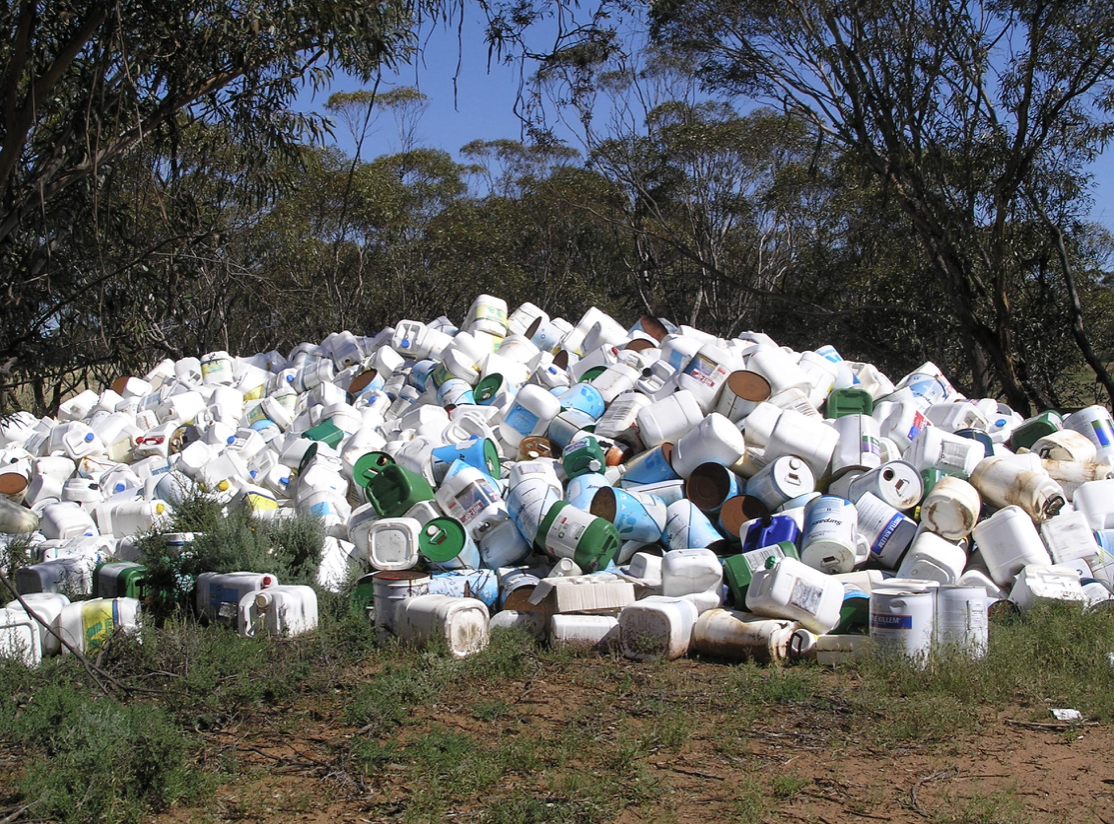
drumMUSTER is a national program that collects and recycles eligible, empty and clean AgVet chemical drums. There are over 700 collection sites across Australia (listed here).
Many drums (Group 1) are collected free of charge if they meet certain requirements. For Group 2 chemical drums, there is a fee charged for collection and recycling.
David emphasised the importance of triple rinsing drums to remove chemical residue before dropping containers at your nearest collection site, where they will be inspected and processed for recycling.
bagMUSTER currently focuses only on woven PP bags (anything from 25kg up to a bulka bag) which flower growers may have on-farm containing fertilisers or seed. Currently bagMUSTER is only available in Victoria, with plans to expand into TAS and NSW in the near future (2026/2027). The aim of the program is to close the loop and ultimately recycle all PP bags back into new bags. Other options for end products are sound baffling barriers and railways sleepers.
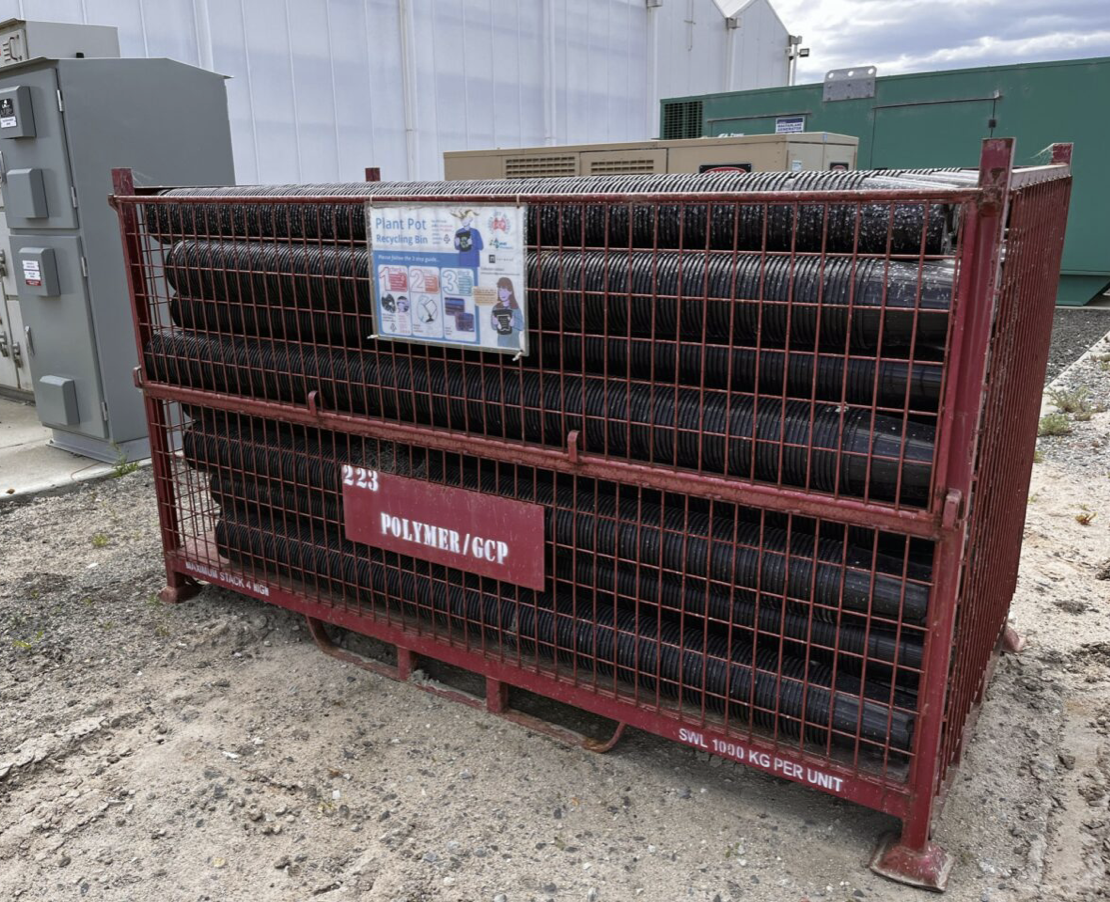
GCP’s pot recycling program was established in 2021 and recycles polypropylene 5 (PP5) type plastics, which are used in plastic flower pots, propagation and seedling trays, nursery carry trays and flower buckets. There are many collection sites where PP5 can be deposited for recycling. Collection cages can be requested through GCP’s website, which can be filled with end of life plastics and will be collected for recycling. This program is provided to flower growers free of charge, so there’s really no excuse not to be involved! GCP guarantees that every pot collected in the scheme is recycled back into another horticultural product in their recycling process in a 100% circular system, which is very impressive. Greg emphasised the importance of identifying PP5 materials correctly, tapping any excess media out of the pot, and then packing pots and trays correctly to maximise density and make the recycling process efficient.
WEBINAR 2
In the second webinar, Helena Tierney from Big Bag Recovery presented about their bulk plastic bag recycling program and Ed George from EPREnviro explained the current challenges of recycling greenhouse skins.
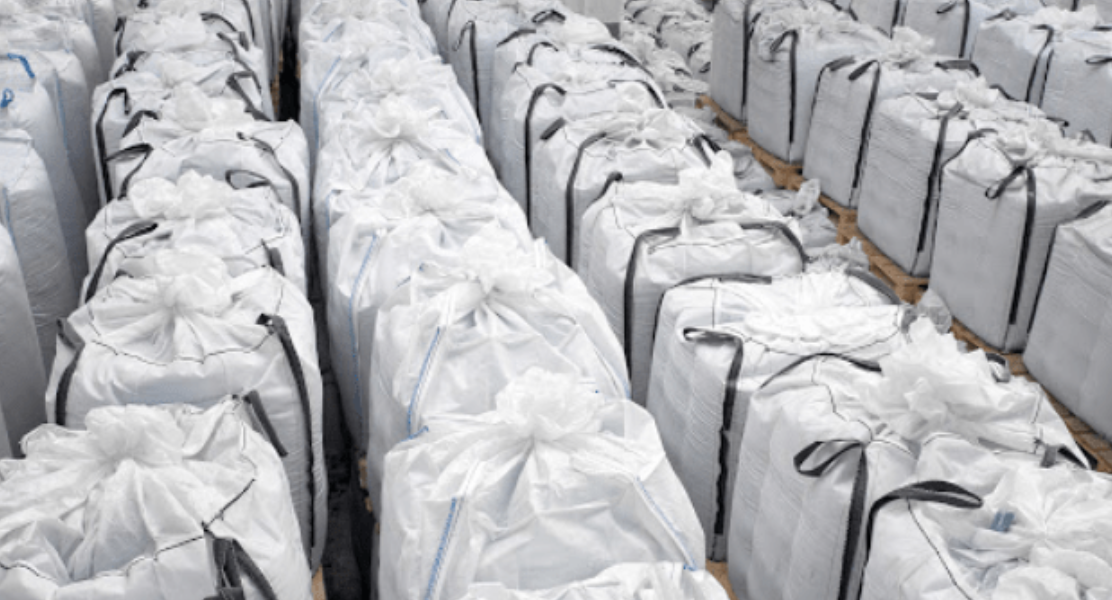
Big Bag Recovery collect, recycle and repurpose bulk plastic bags 15kg or more. BBR recycles woven polypropylene and low density polyethylene (PP5 and LDPE 4). Manufacturers of these bags sign up as members of BBR in order to be part of the program. Bags are collected from bulk use sites such as farms and factories, or alternatively can be dropped off at centralised recycling facilities. They are cleaned and shredded into small flakes which are then melted and extruded into resin pellets. The pellets are manufactured into new products such as plastic storage pallets, crates, school chairs and carpark bumper barriers.
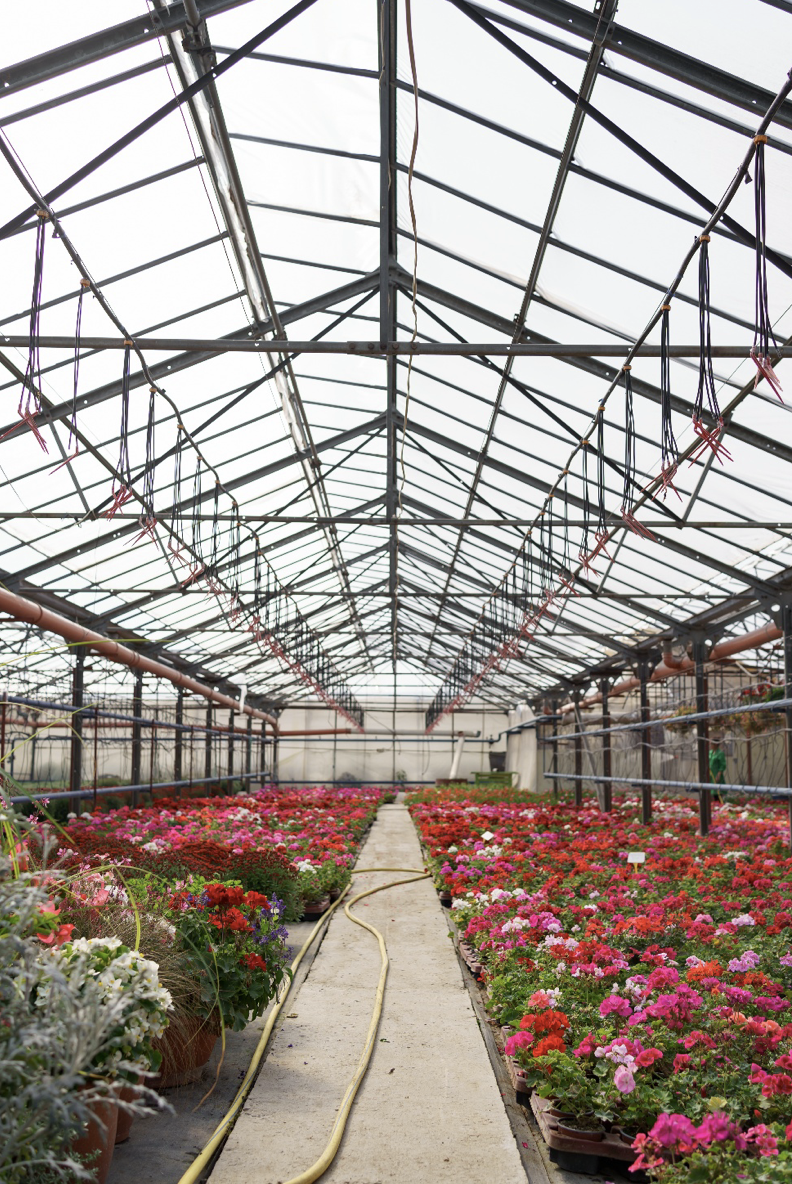
Next, Ed from EPREnviro explained the current challenges that face flower growers who are looking for options to recycle greenhouse skins. While greenhouse skins only need replacing every 7-10 years in good conditions, they do contribute a significant amount of LDPE film to the environmental footprint of the cut flower industry. While large scale growers can recycle skins via Redpath Greenhouses, there is currently no formal system in place to recycle skins for small – medium scale businesses due to the low volumes of film produced.
Current options in NSW, VIC and QLD include recyclers in Taree & Albury, but a minimum volume of film (e.g. 10 tonnes) and gate fee apply. Ed explained that greenhouse film does have value as a recycled product and can be made back in lower order film products. Hopefully sometime in the near future there can be a coordinated collection program in the flower growing sector allowing films to be amassed at a central location and delivered to an appropriate recycling centre. Ed finished by listing several compostable and biodegradable products for on-farm use including compostable twine, clips and labels which are an excellent sustainable alternative to plastic products.
WEBINAR 3
In the final webinar, Rita Feldmann (Sustainable Floristry Network), Yasmin Wessels (Circular Plastics NZ) and Ingrid Padovano (Jonima Flowers) spoke about reducing plastic sleeve use in the cut flower industry.

Rita (Sustainable Floristry Network) explained the shift in the industry during the 80’s that lead to the introduction of plastic sleeves into the supply chain. With premium products coming into Australia from overseas, and being transported more within the supply chain, sleeves were considered the best way to protect the flower products, preventing breakage and waste, as well as being a branding opportunity.
A pilot program for plastic sleeve recycling was run in 2020-21 in Melbourne with wholesalers and retails shops. The pilot eventually ran into trouble with contamination from other plastics. The program has since been relaunched in Melbourne in 2023.
While a national circular recycling system is not currently set up as standard for plastic sleeves, it has value as a recycled product and the Australian cut flower industry is estimated to produce 500 tonnes of polypropylene sleeves each year! Definitely an area that needs serious consideration if the industry is going to improve its sustainability practices. In the meantime, best practice options for avoiding the use of sleeves include using alternative materials such as paper sleeves where practical.
Yasmin (Circular Plastics NZ) then spoke about a small but successful program currently running in NZ for closed loop plastic sleeve recycling. It was very encouraging to hear how this is working for our close neighbours, and seems like a great model to base an Australian system on, hopefully in the near future!
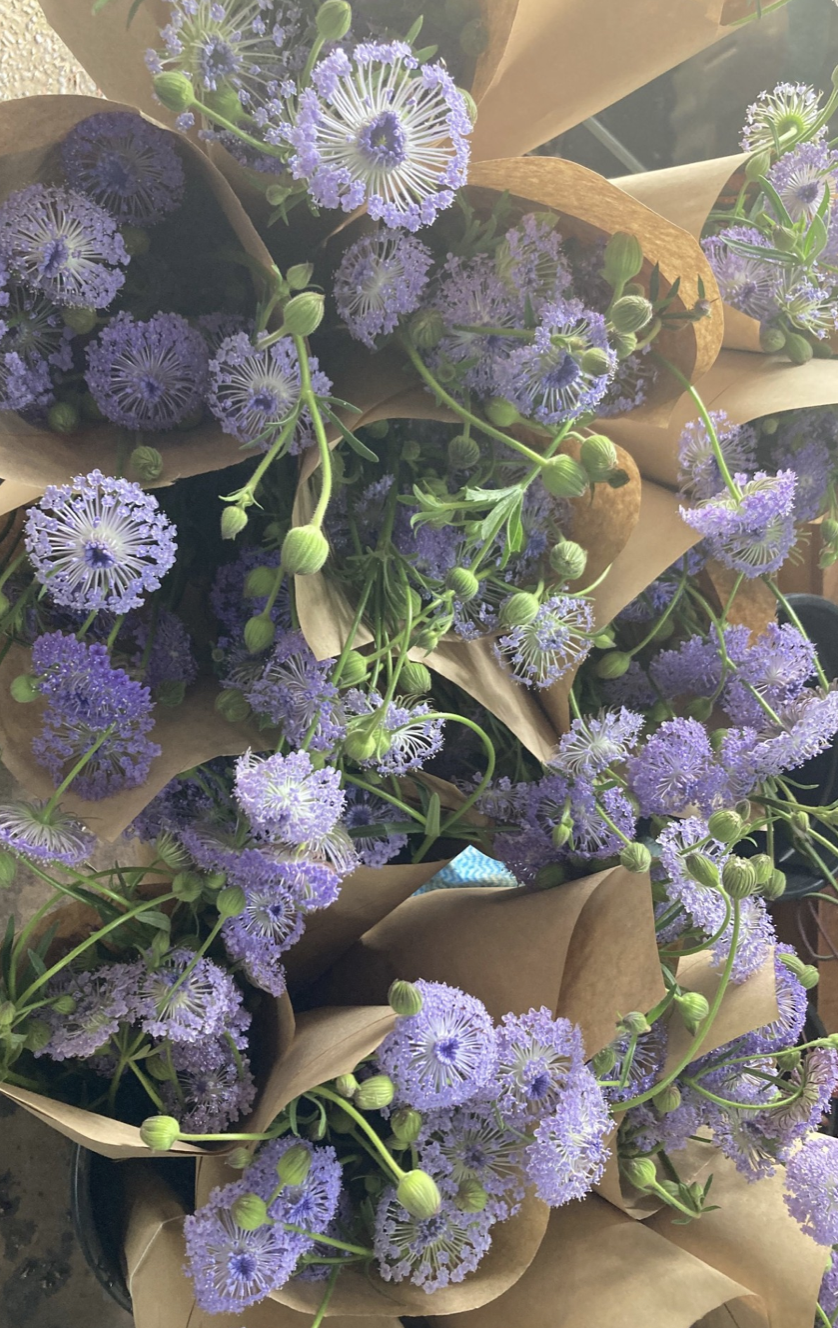
And finally Ingrid (Jonima Flowers) gave a case study from her business when they have made an intentional decision to stop using plastic sleeves in flower production. At Jonima, they use paper wrap as minimally as possibly, e.g. only when a particular flower requires wrapping, prioritising packaging in bulk, and don’t wrap at all for wholesale sales. It was inspiring how this sustainable business decision can work in practice for growers, with the hope that an industry-wide plastic sleeve recycling program isn’t too far off.
RMCG’s webinars and factsheets can be accessed here.